|
This edition highlights how the BC RIGC is working with IGBs in their children and family service work ͏ ͏ ͏ ͏ ͏ ͏ ͏ ͏ ͏ ͏ ͏ ͏ ͏ ͏ ͏ ͏ ͏ ͏ ͏ ͏ ͏ ͏ ͏ ͏ ͏ ͏ ͏ ͏ ͏ ͏ ͏ ͏ ͏ ͏ ͏ ͏ ͏ ͏ ͏ ͏ ͏ ͏ ͏ ͏ ͏ ͏ ͏ ͏ ͏ ͏ ͏ ͏ ͏ ͏ ͏ ͏ ͏ ͏ ͏ ͏ ͏ ͏ ͏ ͏ ͏ ͏ ͏ ͏ ͏ ͏ ͏ ͏ ͏ ͏ ͏ ͏ ͏ ͏ ͏ ͏ ͏ ͏ ͏ ͏ ͏ ͏ ͏ ͏ ͏ ͏ ͏ ͏ ͏ ͏ ͏ ͏ ͏ ͏ ͏ ͏ ͏ ͏ ͏ ͏ ͏ ͏ ͏ ͏ ͏ ͏ ͏ ͏ ͏ ͏ ͏ ͏ ͏ ͏ ͏ ͏ ͏ ͏ ͏ ͏ ͏ ͏ ͏ ͏ ͏ ͏ ͏ ͏ ͏ ͏ ͏ ͏ ͏ ͏ ͏ ͏ ͏ ͏ ͏ ͏ ͏ ͏ ͏ ͏ ͏ ͏ ͏ ͏ ͏ ͏ ͏ ͏ ͏ ͏ ͏ ͏ ͏ ͏ ͏ ͏ ͏ ͏ ͏ ͏ ͏ ͏ ͏ ͏ ͏ ͏ ͏ ͏ ͏ ͏ ͏ ͏ ͏ ͏ ͏ ͏ ͏ ͏ ͏ ͏ ͏ ͏ ͏ ͏ ͏ ͏ ͏ ͏ ͏ ͏ ͏ ͏ ͏ ͏ ͏ ͏ ͏ ͏ ͏ ͏ ͏ ͏ ͏ ͏ ͏ ͏ ͏ ͏ ͏ ͏ ͏ ͏ ͏ ͏ ͏ ͏ ͏ ͏ ͏ ͏ ͏ ͏ ͏ ͏ ͏ ͏ ͏ ͏ ͏ ͏ ͏ ͏ ͏ ͏ ͏ ͏ ͏ ͏ ͏ ͏ ͏ ͏ ͏ ͏ ͏ ͏ ͏
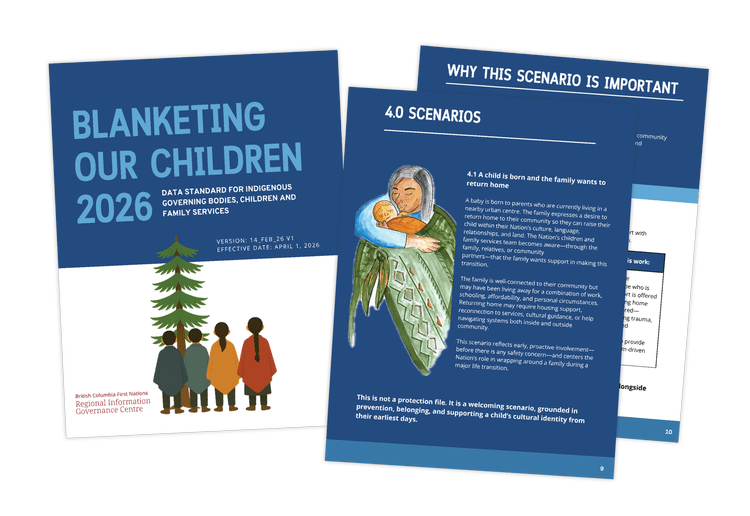
Data in Support of Children and FamiliesAs a critical part of resuming jurisdiction over children and family services, Indigenous Governing Bodies (IGBs) are defining how children and family records should be defined, collected, stewarded, used, and shared to support wellness, safety, and good service delivery. This special edition newsletter highlights several connected areas of work: the South Island Indigenous Authority’s Blanketing Our Children project and Data Standard, the Community of Practice carrying the work forward, and regional planning for a First Nations Child Longitudinal Study.
|
Our Work in ActionData Demonstration Project Highlight: Blanketing Our Children
|
|
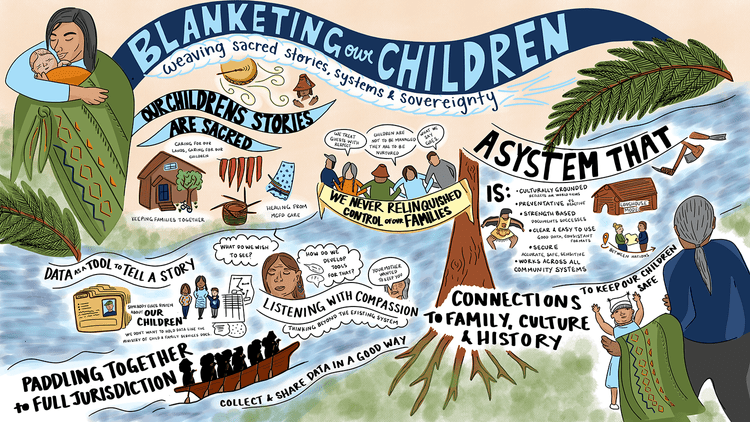
Jurisdiction over child and family services is inherently held at the rights holder level. Yet there is substantial value in IGBs working together to develop shared tools, common standards, secure information exchange, and economies of scale while ensuring each Nation retains full decision-making authority over its own data and services. The South Island Indigenous Authority (SIIA) led the Blanketing Our Children project to address the need for safe and clear information-sharing and to shape case management systems that reflect IGB service models, programs, legal orders, and approaches to implementing jurisdiction.
|
"The SIIA decided to host the project to create a collaborative space with Indigenous Governing Bodies to do data work together, ensuring the outcome was collectively owned.” —Erica Pepevnak, SIIA
|
|
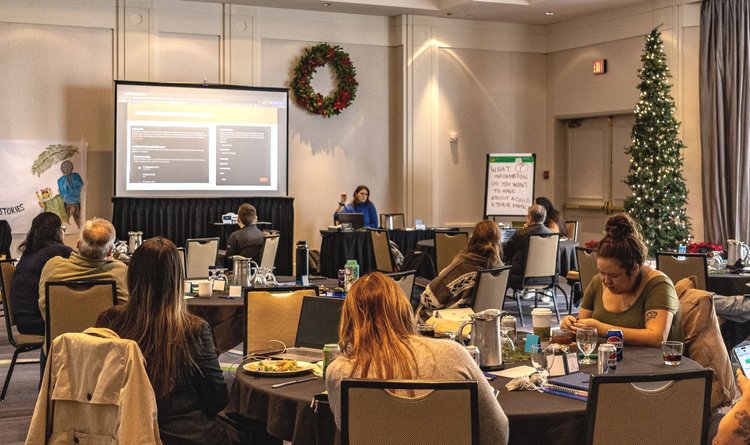
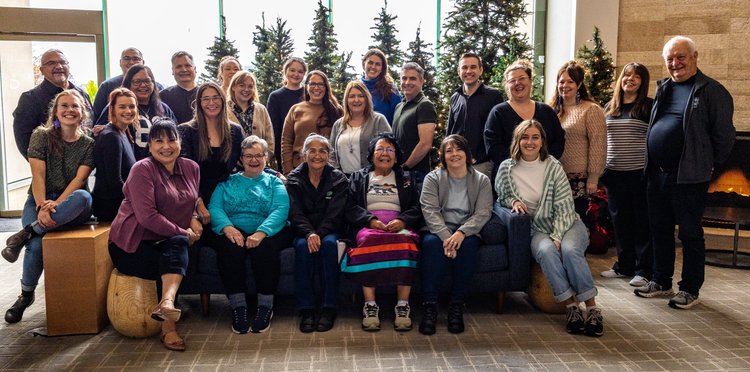
With funding and support from the BC RIGC, SIIA hosted an IGB Working Group that grew to include 15 IGBs from across British Columbia. The Working Group co-developed two foundational tools: a Child and Family Data Standard, which provides a common foundation to guide how data are structured and documented to support information exchange across IGBs and service providers; and a multilateral Memorandum of Understanding, which governs how IGBs can share data with one another while preserving Nation-level ownership and control.
The Data Standard is not a one-size-fits-all tool. Each IGB can shape it to fit its own needs.
|
Tool Highlight: The Blanketing Our Children Data Standard
|
|
The Blanketing Our Children Data Standard is a shared foundation and a living tool for how IGBs can define, collect, manage, and share data related to children and family services in a way that is consistent, culturally grounded, and aligned with Indigenous laws and governance frameworks.
|
|
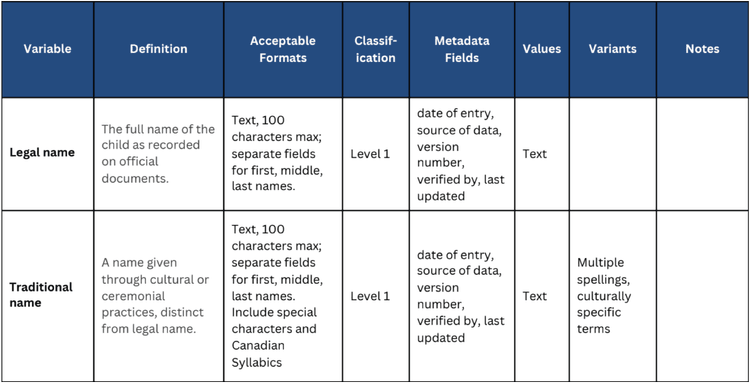
A data standard functions as a shared guidebook outlining how data elements are defined, formatted, and classified. It is not simply a technical document. How we structure data is a direct reflection of our worldviews, legal traditions, and relational accountability. For example, a child’s legal name and traditional name may be two variables that IGBs seek to collect within their systems. The Data Standard proposes a shared definition, format, classification, metadata fields, values, variants, and notes associated with these two variables, as shown:
|
|
The Data Standard supports IGBs in deciding what information is important to gather and how to structure and document it to facilitate information exchange across IGBs and service providers. The Data Standard can support: Data sharing and interoperability between IGBs and between IGBs and external partners, even when they use different data systems Consistency and comparability of key data elements across diverse service delivery models while respecting the autonomy of each IGB to determine the scope and application of the Data Standard within their own systems Quality service delivery and informed planning and decision-making High-quality data practices aligned with Indigenous data sovereignty principles Collaboration with vendors, researchers, and government agencies grounded in clear IGB-defined expectations and standards
|
Tool Highlight: Memorandum of Understanding
|
|
The Data Standard was developed alongside a multilateral Memorandum of Understanding (MOU), which provides a shared, Indigenous-led framework for how participating IGBs approach information-sharing with one another. The MOU supports continuity of care, family- and community-centred decision-making, Indigenous jurisdiction, and data sovereignty. It also establishes shared expectations for information-sharing while respecting each IGB’s laws, governance structures, and authority over information relating to its children and families.
|
"I don't know a single Nation where the people are only our people. Every Nation has connections to other Nations, generally in the area that they live.
I work in Nuu-chah-nulth territory and literally every family is connected to several other Nuu-chah-nulth Nations. There has to be a way for the Nations to share information that families can trust."— Kathy Waddell, IGB Working Group Participant
|
|
If you are interested in learning more about the MOU, please contact the BC RIGC team.
|
Blanketing Our Children Community of Practice
|
|
The Blanketing Our Children Community of Practice is a practitioner-led forum for Nations and organizations working to strengthen information, data, and systems that support children and families. The Community of Practice provides a space for peer learning, problem-solving, sharing practical experience, and exploring common challenges and opportunities.
|
|
Who is it for?
The Community of Practice is intended for Indigenous Governing Body representatives, practitioners, data/information staff, and others involved in child and family services, data governance, information management, or related work. Participation is welcome at all stages of readiness and capacity. What can you expect? The Community of Practice meets virtually every six weeks (September 29th is our next session) and includes opportunities to: Hear from guest speakers and learn from other Nations Share tools, resources, approaches, and lessons learned Explore data governance, information sharing, systems, and technology Discuss indicators, measurement, evaluation, and data to support planning, service delivery, advocacy, and accountability Learn about and provide input on relevant BC RIGC projects and initiatives, including the First Nations Child Longitudinal Planning Project Bring forward questions or challenges and learn from others working through similar issues
The Terms of Reference provide more information on the Blanketing Our Children Community of Practice. Interested in joining or learning more? Contact the BC RIGC team.
|
First Nations Child Longitudinal Study — Planning Project
|
|
The First Nations Information Governance Centre (FNIGC) is undertaking the planning phase of the First Nations Child Longitudinal Study, laying the foundation for a long-term study focused on the well-being of First Nations children. A longitudinal study follows the same group of people over time. By following First Nations children as they grow, a study like this can help us understand how their well-being changes over time, what supports children and families to thrive, and what contributes to lasting well-being. Over the long term, the study could also help us understand the impact of broader changes on child and family well-being, including First Nations resuming jurisdiction over child and family services.
|
|
The Salmon Lifecycle
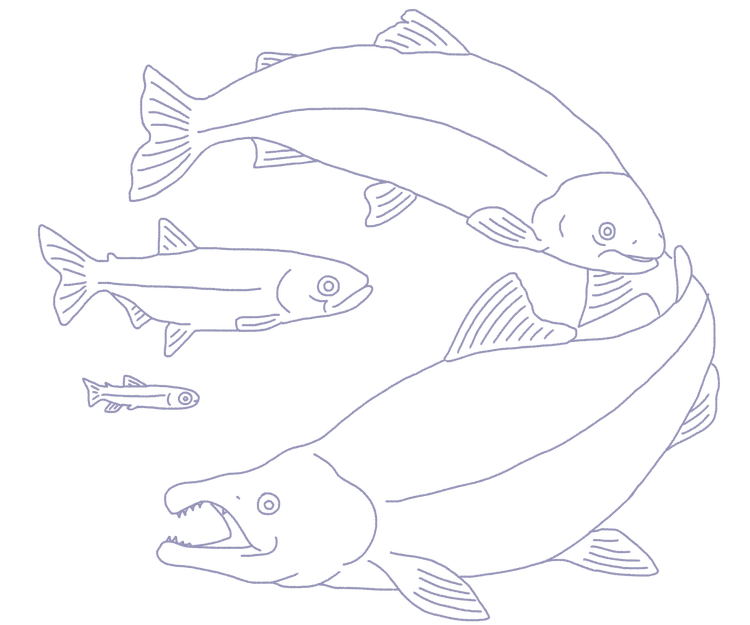
The salmon lifecycle shapes the visual identity of the First Nations Child Longitudinal Study. From fry to smolt to returning adult, salmon move through distinct stages as they grow. In the same way, a longitudinal study follows First Nations children over time, learning about their experiences and well-being as they grow.
|
How would we know we are advancing child well-being?
|
|
Drawing on the UN Declaration, we expect child well-being to improve as: First Nations exercise and have full enjoyment of their inherent rights & jurisdiction, including jurisdiction over their own child and family services, Children and families have access to a continuum of First Nations-led and community-based social services and supports, and First Nations children are cared for by their community.
|
|
|
|
|
|
|
Research questions for the study will be developed to test this theory of change. For example, a research question might be: “As Nations move along the CFS jurisdictional pathway, how do children’s well-being trajectories change?” |
|
|
|
|
We would know First Nations children, families, and Nations are thriving and prospering throughout the course of their lives and across generations if we saw improvements in core dimensions of well-being, for example: Mental & Emotional Strength & Resilience Connection & Belonging Wellness Foundations and Healthy Play Nurturing Potential Keeping Kids Safe Supporting Families & Communities Supportive Systems
Indicators associated with those dimensions of well-being will be identified and developed in the beginning stages of the planning project.
|
|
The BC RIGC has received planning funding to advance regional planning for the project from 2025/26 to 2028/29. This planning period will establish the foundations for broad-based implementation, including piloting the methodology with an initial cohort.
|
Stay ConnectedStop by our table at the All Chiefs Meeting on Children and Families held by the First Nations Leadership Council on September 9th and 10th. We will be available to discuss how the BC RIGC can support your Nation’s children and family service work.
If you know someone working in child and family services, data governance, or related areas within your Nation, feel free to forward this newsletter.
If you are not already subscribed to our newsletter, click the button below to join.
|
|
|
|