|
This edition highlights how the BC RIGC works alongside Nations to support data for governance in practice. ͏ ͏ ͏ ͏ ͏ ͏ ͏ ͏ ͏ ͏ ͏ ͏ ͏ ͏ ͏ ͏ ͏ ͏ ͏ ͏ ͏ ͏ ͏ ͏ ͏ ͏ ͏ ͏ ͏ ͏ ͏ ͏ ͏ ͏ ͏ ͏ ͏ ͏ ͏ ͏ ͏ ͏ ͏ ͏ ͏ ͏ ͏ ͏ ͏ ͏ ͏ ͏ ͏ ͏ ͏ ͏ ͏ ͏ ͏ ͏ ͏ ͏ ͏ ͏ ͏ ͏ ͏ ͏ ͏ ͏ ͏ ͏ ͏ ͏ ͏ ͏ ͏ ͏ ͏ ͏ ͏ ͏ ͏ ͏ ͏ ͏ ͏ ͏ ͏ ͏ ͏ ͏ ͏ ͏ ͏ ͏ ͏ ͏ ͏ ͏ ͏ ͏ ͏ ͏ ͏ ͏ ͏ ͏ ͏ ͏ ͏ ͏ ͏ ͏ ͏ ͏ ͏ ͏ ͏ ͏ ͏ ͏ ͏ ͏ ͏ ͏ ͏ ͏ ͏ ͏ ͏ ͏ ͏ ͏ ͏ ͏ ͏ ͏ ͏ ͏ ͏ ͏ ͏ ͏ ͏ ͏ ͏ ͏ ͏ ͏ ͏ ͏ ͏ ͏ ͏ ͏ ͏ ͏ ͏ ͏ ͏ ͏ ͏ ͏ ͏ ͏ ͏ ͏ ͏ ͏ ͏ ͏ ͏ ͏ ͏ ͏ ͏ ͏ ͏ ͏ ͏ ͏ ͏ ͏ ͏ ͏ ͏ ͏ ͏ ͏ ͏ ͏ ͏ ͏ ͏ ͏ ͏ ͏ ͏ ͏ ͏ ͏ ͏ ͏ ͏ ͏ ͏ ͏ ͏ ͏ ͏ ͏ ͏ ͏ ͏ ͏ ͏ ͏ ͏ ͏ ͏ ͏ ͏ ͏ ͏ ͏ ͏ ͏ ͏ ͏ ͏ ͏ ͏ ͏ ͏ ͏ ͏ ͏ ͏ ͏ ͏ ͏ ͏ ͏ ͏ ͏ ͏ ͏ ͏ ͏ ͏ ͏ ͏ ͏ ͏
Data for Governance in PracticeFor many years, information about First Nations governments — including population, economic activity, and community needs — has been collected and reported through systems designed for external purposes. As Nations strengthen their governance, there is a growing need for data systems that reflect their own priorities, responsibilities, and ways of making decisions. This edition highlights how the BC RIGC works alongside Nations to support data for governance in practice. It includes a Valuation Tool Guide, a highlight of a new feature in the Build Your Own Data Centre platform, a closer look at Nation-led data collection through our data platform with an example of Tla’amin Nation’s census work, and an overview of our services.
|
Resource Highlight: Advancing Compensation and Valuation Strategies
|
|
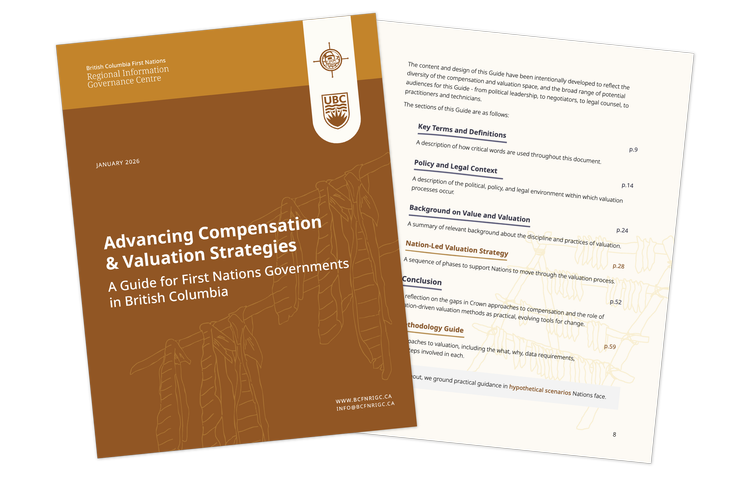
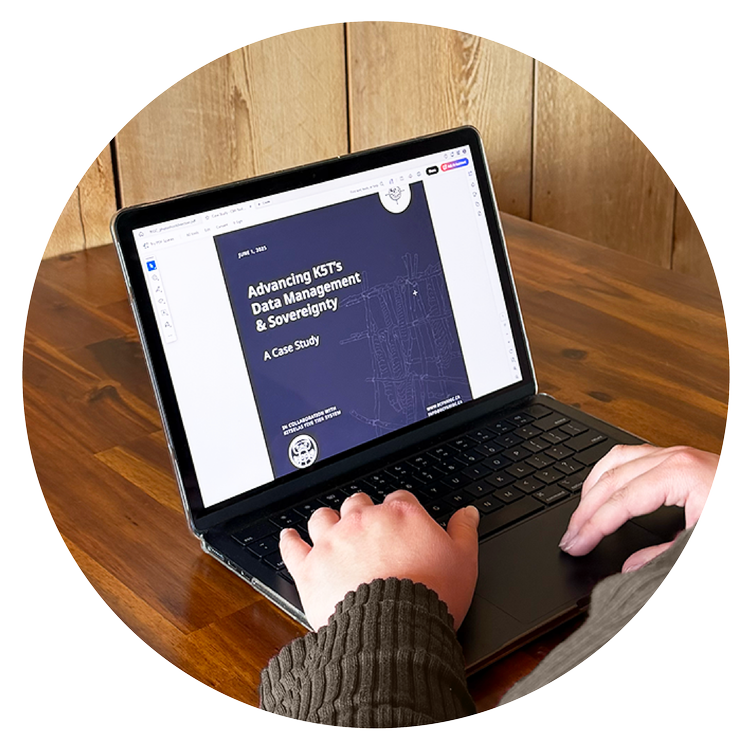
First Nations often need to seek compensation for losses in value and for infringements on rights and title resulting from Crown actions and decisions. Developed with input from First Nations leadership, practitioners, and advisors through workshop discussions, he Valuation Tool consolidates practical guidance on compensation valuation to support real-world Nation-led decision-making on valuation approaches. The Guide includes context on the policy and legal landscape, background on value and valuation, a methodology guide, and hypothetical scenarios. This Guide overview highlights the steps a Nation would take to start and carry out valuation work.
|
Build Your Own Data Centre
|
New Feature: Geography Editor
|
|
Geographic data underpins a wide range of governance work, from managing territorial boundaries to planning service delivery across a Nation's lands. Until now, creating and editing geographies in the Build Your Own Data Centre (BYODC) required steps outside the platform. Our new update to the platform introduces a Geography Editor that brings this work directly into the system, where staff can add, edit, and maintain geographic records alongside the rest of their data.
Nations using the BYODC platform can access the Geography Editor now. Contact the BC RIGC team to discuss how geographic data can support your planning and governance work.
|
How Can Surveys Support Governance and Planning?
|
|
Access to reliable, Nation-defined information is essential for effective governance. Surveys and community census initiatives allow Nations to gather current, relevant data directly from their citizens to inform planning, programs, and decision-making. Through the BYODC, the BC RIGC supports Nation-led data collection from design through to analysis and reporting. Surveys can be tailored to reflect each Nation’s priorities and governance context, while built-in tools support distribution, participation tracking, and accessible analysis. This enables staff to work with their data directly, supporting day-to-day governance without reliance on external systems or intermediaries. The experience of Tla’amin Nation illustrates what this looks like in practice. Through their Nation-led Census, Tla’amin established a coordinated approach to gathering information across departments, reducing duplication and creating a shared dataset aligned with their Comprehensive Nation Plan. Data are now accessible through the BYODC, where staff can explore results, support planning, and apply insights across programs and services. Primary data collection also shifts how decisions are made. Instead of relying on fragmented or externally defined data, Nations can ground planning in what their citizens have shared. At Tla’amin, this has created a shared evidence base across departments, supporting more coordinated planning, reducing repeated engagement with community, and strengthening accountability to citizens.
|
“Now we actually have something to start from. It’s not guessing—it’s like, this is what our people are telling us.” — Tla’amin Nation Project Lead
|
|
What Survey and Census Tools Enable: Design and deliver Nation-led surveys or community census initiatives Gather consistent, high-quality data aligned with governance priorities Reach citizens through flexible distribution methods, including targeted outreach Monitor participation and follow up to support strong response rates Access results through built-in dashboards and reporting tools Apply findings to planning, service delivery, and funding proposals
|
|
Because surveys are conducted within a secure, Nation-controlled platform, data remain in Nation hands from collection through to use. This supports ongoing governance, not just a single project, and preserves digital sovereignty for Nations.
|
|
The BC RIGC works alongside Nations to strengthen data governance and support the use of data in decision-making. Our role is to provide practical support, including tools, infrastructure, and advisory services, so that Nations can apply data in ways that reflect their own governance systems and priorities. Nations engage with the BC RIGC from different starting points. Some are developing foundational systems, while others are building on existing practices or expanding how data are used across departments. Our services are designed to support this range of needs, while recognizing that there is no single pathway for advancing data sovereignty in practice.
|
|
|
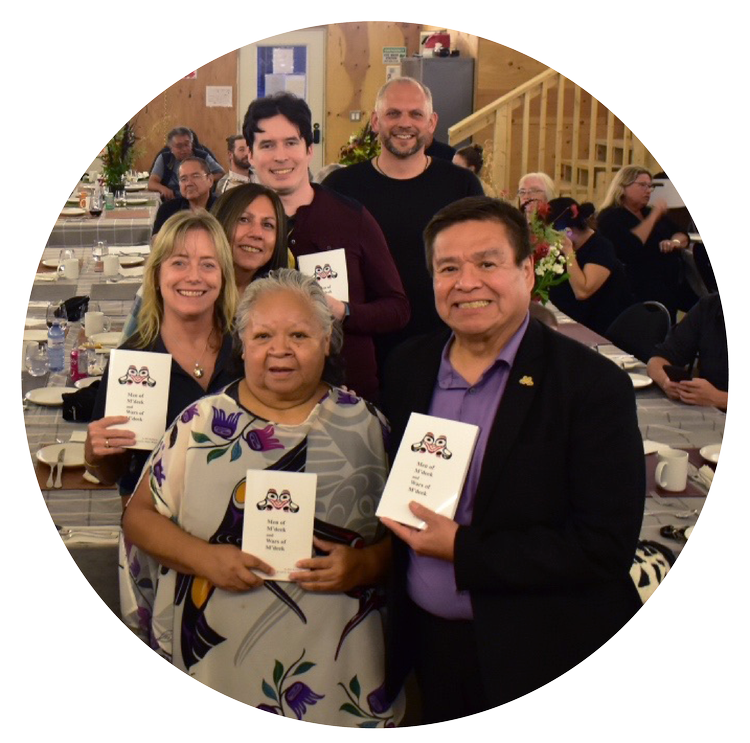
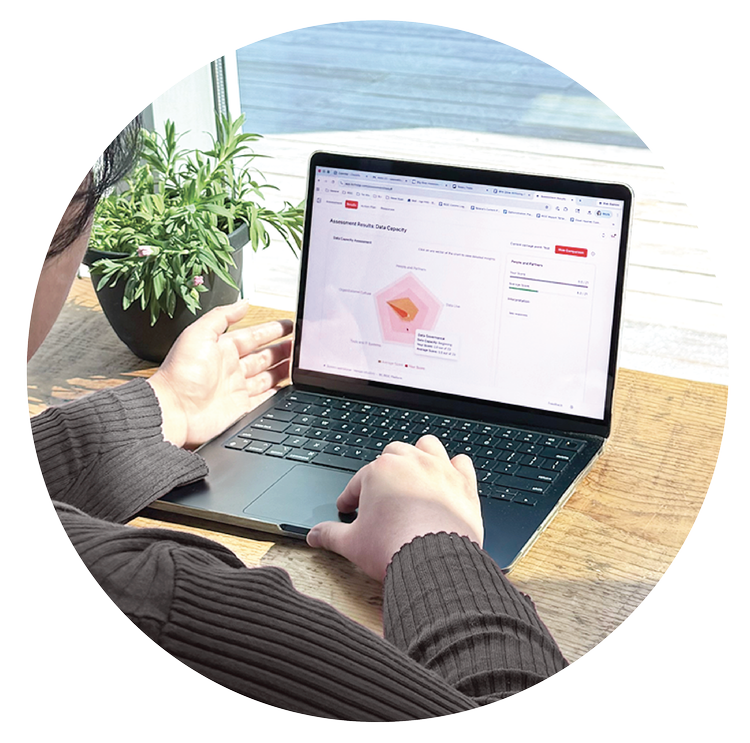
Data Governance Assessment Understanding current capacity is an important first step. The BC RIGC’s Data Governance Assessment supports Nations in identifying strengths, gaps, and priorities across governance, data use, systems, and organizational culture. The process results in a tailored action plan that supports decision-making about where to focus effort and investment, and connects Nations to tools, resources, and supports aligned with their priorities. |
|
|
|
|
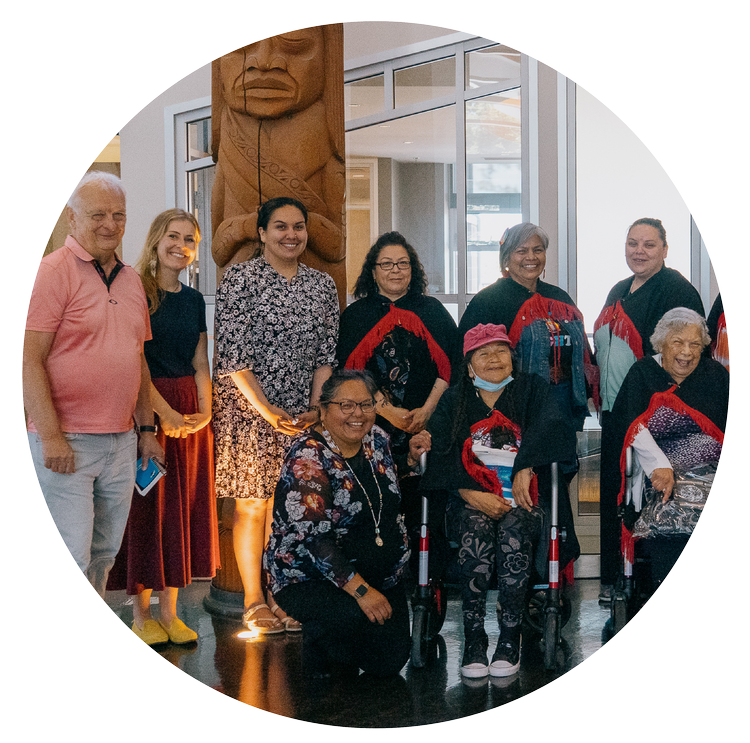
Surveys & Data Collection Reliable information from citizens supports effective governance. The BC RIGC works alongside Nations to design and deliver surveys and community census initiatives that reflect their priorities and governance context. This work supports Nations to gather information directly from their citizens, reducing reliance on externally defined data and strengthening the ability to plan, deliver services, and make decisions based on Nation-held information. |
|
|
|
|
|

|
Advisory & Funding Support The BC RIGC provides advisory support to help Nations plan and implement data initiatives. We also offer project funding, typically between $5,000 and $50,000, for Nation-led projects that strengthen data governance and contribute to shared tools and resources. |
|
|
|
|
Tools & Resource Library The BC RIGC develops practical templates, guides, and governance tools based on work with Nations. These resources are available to support data governance without requiring communities to start from scratch. |
|
|
|
|
|
|
Digital Infrastructure: The BYODC The BYODC is a secure, OCAP®-aligned platform designed to support First Nations governance. It enables Nations to manage citizenship and membership records, conduct surveys, support planning, and repatriate data. The platform is shared, but each Nation maintains full control over their own data. |
|
|
|
|
Training & Ecosystem Opportunities
|
|
Digital Skills Training
Check out career-ready digital skills training courses offered at no cost to Indigenous peoples aged 18-35, living in BC, delivered online by the First Nations Technology Council.
View Upcoming Courses
Indigenous Data Initiatives Zoom Circles
Established in 2022, the B.C. government’s Indigenous Data Initiatives (IDI) team hosts monthly Zoom Circles on Indigenous data initiatives and related work under the Anti-Racism Data Act (ARDA). The Zoom Circles are a culturally safe space for updates about data work, data discussion, and shared learning. Feedback from the Circles helps inform ARDA deliverables, including the Annual Releases and Research Priorities. The Circles also support Indigenous data sovereignty, traction on Action Plan commitments, and relationship-building with Indigenous Peoples. How do I join? Reach us at: BC First Nations Public Service Secretariat
Learn valuable skills for governance, at no cost, with the FNPSS.
View Upcoming Training Opportunities
OCAP® (Ownership, Control, Access, Possession)
Learn the Fundamentals of OCAP® with the First Nations Information Governance Centre. Learn More
|
|
|
|