|
This issue highlights several practical ways the BC RIGC’s BYODC works alongside Nations to strengthen data systems and put data into practice. ͏ ͏ ͏ ͏ ͏ ͏ ͏ ͏ ͏ ͏ ͏ ͏ ͏ ͏ ͏ ͏ ͏ ͏ ͏ ͏ ͏ ͏ ͏ ͏ ͏ ͏ ͏ ͏ ͏ ͏ ͏ ͏ ͏ ͏ ͏ ͏ ͏ ͏ ͏ ͏ ͏ ͏ ͏ ͏ ͏ ͏ ͏ ͏ ͏ ͏ ͏ ͏ ͏ ͏ ͏ ͏ ͏ ͏ ͏ ͏ ͏ ͏ ͏ ͏ ͏ ͏ ͏ ͏ ͏ ͏ ͏ ͏ ͏ ͏ ͏ ͏ ͏ ͏ ͏ ͏ ͏ ͏ ͏ ͏ ͏ ͏ ͏ ͏ ͏ ͏ ͏ ͏ ͏ ͏ ͏ ͏ ͏ ͏ ͏ ͏ ͏ ͏ ͏ ͏ ͏ ͏ ͏ ͏ ͏ ͏ ͏ ͏ ͏ ͏ ͏ ͏ ͏ ͏ ͏ ͏ ͏ ͏ ͏ ͏ ͏ ͏ ͏ ͏ ͏ ͏ ͏ ͏ ͏ ͏ ͏ ͏ ͏ ͏ ͏ ͏ ͏ ͏ ͏ ͏ ͏ ͏ ͏ ͏ ͏ ͏ ͏ ͏ ͏ ͏ ͏ ͏ ͏ ͏ ͏ ͏ ͏ ͏ ͏ ͏ ͏ ͏ ͏ ͏ ͏ ͏ ͏ ͏ ͏ ͏ ͏ ͏ ͏ ͏ ͏ ͏ ͏ ͏ ͏ ͏ ͏ ͏ ͏ ͏ ͏ ͏ ͏ ͏ ͏ ͏ ͏ ͏ ͏ ͏ ͏ ͏ ͏ ͏ ͏ ͏ ͏ ͏ ͏ ͏ ͏ ͏ ͏ ͏ ͏ ͏ ͏ ͏ ͏ ͏ ͏ ͏ ͏ ͏ ͏ ͏ ͏ ͏ ͏ ͏ ͏ ͏ ͏ ͏ ͏ ͏ ͏ ͏ ͏ ͏ ͏ ͏ ͏ ͏ ͏ ͏ ͏ ͏ ͏ ͏ ͏ ͏ ͏ ͏ ͏ ͏ ͏
Putting Data into Practice with Digital InfrastructureMany Nations are managing critical information across spreadsheets, external databases, and systems built primarily to meet other governments' reporting requirements. The Build Your Own Data Centre (BYODC) provides another option: secure, First Nations-owned digital infrastructure where Nations can collect information directly from citizens, maintain citizenship and membership records, generate population projections, and organize datasets to support planning and decisions. Each Nation works in its own secure environment and retains ownership and control of its information. This issue highlights several practical ways the BC RIGC’s BYODC works alongside Nations to strengthen data systems and put data into practice: new updates to maintaining records, support for accessing data sets, a tool for measuring a Nation government's contribution to the regional economy, and reflections on what 19 Nation-led projects have taught us about planning data work.
|
|
The new BC RIGC website is live. It is designed to make it easier for Nations to understand what support is available and find a practical place to begin.
|
|
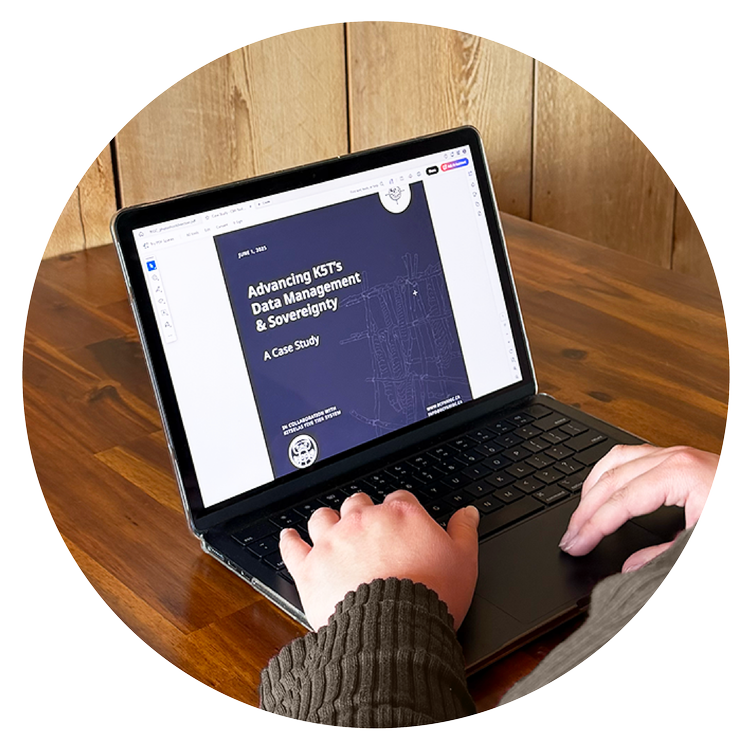
The website also brings together the BC RIGC's growing body of case studies, publications, news, and learning resources. These materials show how Nations are strengthening data governance in practice, and what other Nations can carry forward from that work.
|
Build Your Own Data Centre
|
|
A citizen or member's residential address, mailing address, and preferred point of contact are not always the same. The BYODC’s Citizenship & Membership Records tool now makes it easier to manage those differences and preserve a complete address history when people move.
|
|
The latest improvements allow staff to: Maintain residential, mailing, and other address types separately Identify the preferred address for each member or household Retain previous addresses when a new one is added Clear or update records without collapsing different address types into one field
Cleaner address data support everyday administration, community planning, service delivery, and emergency response. They can help a Nation understand where citizens live, communicate more reliably, forecast service needs, and maintain location information that may be important for Next Generation 911 and other emergency services.
|
Need Data Held by Another Organization?
|
|
Information that could support Nation planning often already exists, but it may be held by federal or provincial governments, universities, health organizations, or private companies. Finding the right dataset, identifying who holds it, and navigating the request process can take significant time and capacity. The BC RIGC helps Nations identify, access, and use external data. Depending on what your Nation needs, this may include: Identifying datasets relevant to a governance or planning priority Integrating publicly available data into the BYODC for exploration and visualization Supporting requests, permissions, and data-sharing processes Combining external datasets with Nation-held information to support analysis and decisions
|
|
Early datasets available through the BYODC include Statistics Canada census data, UBC HELP early childhood development data, and aggregated TELUS Data for Good mobility and population-movement data. Nations can also identify other datasets that would be useful to their work, and the BC RIGC can help explore a responsible pathway to access them.
|
Measuring a Nation Government's Economic Contribution
|
|
First Nations governments are major employers, purchasers, and economic drivers. That contribution is rarely visible in the economic statistics used by governments, funders, and regional partners. The BC RIGC's Economic Impact Measurement Tool gives Nations a defensible way to show how their government's spending contributes to the local and regional economy. It measures: Nisg̱a'a Lisims Government was the first Nation government to apply the model. Across six years, roughly $100 million in annual operations generated close to $2 billion in economic activity and $760 million in regional GDP, while supporting an average of 1,648 full-time jobs each year. Every dollar spent generated approximately $2.83 in economic activity and $1.14 in added value for the region.
|
““This work supports our broader monitoring efforts to assess the Nation’s socio-economic impact as significant industrial developments unfold in the Northwest.” — Nisg̱a'a Lisims Government Project Lead
|
|
These results can strengthen strategic planning, funding negotiations, economic development discussions, and conversations with other governments. Following the Nisg̱a'a analysis, the method was made repeatable and is now being integrated into the BYODC so other Nations can apply it to their own operational data without commissioning a new model from scratch.
|
Planning a Data Project? Start With the Problem, Not the Deliverable
|
|
A request for a dashboard, survey, data inventory, or data-sharing agreement often points to a broader organizational challenge. The newest Learning by Doing post draws on work with more than 120 Nations and organizations, including 19 Nation-led Data Demonstration Projects, to share what we have learned about planning data work. The first project named may not be the best first step. A single tool is often part of a longer data governance journey. Mandate, roles, capacity, and internal alignment shape success. Realistic scope must include implementation, training, and organizational change.
Asking the right questions early helps Nations invest in work that addresses the underlying need and can be carried forward. Each project also produces lessons and tools that move the starting line forward for other Nations.
|
|
Nation-led Data Demonstration Projects are one way data sovereignty is exercised in practice: with funding and technical support from the BC RIGC, Nations apply data tools, infrastructure, and governance frameworks to priorities they define. The work ranges from community census initiatives and engagement surveys to membership data modernization, population projections, and data-sharing agreements, with some projects led by a single Nation and others bringing Nations together on shared challenges. Each project has an overview page, and completed projects include takeaways and case studies so that other Nations can learn from the projects.
|
Training & Ecosystem Opportunities
|
|
Digital Skills Training
Check out career-ready digital skills training courses offered at no cost to Indigenous peoples aged 18-35, living in BC, delivered online by the First Nations Technology Council.
View Upcoming Courses
BC First Nations Public Service Secretariat
Free skills training for governance.
View Upcoming Training Opportunities FNPSS is currently recruiting for a Manager of Finance and Corporate Services — a senior leadership role responsible for overseeing our financial services, corporate services, human resources, records and information management, and information technology functions. This position is open until filled.
See Position
OCAP® (Ownership, Control, Access, Possession)
Learn the Fundamentals of OCAP® with the First Nations Information Governance Centre.
Learn More
Indigenous Data Initiatives Zoom Circles The BC government’s Indigenous Data Initiatives (IDI) team hosts monthly Zoom Circles on Indigenous data work under the Anti-Racism Data Act, covering updates, discussion, and cross-organization learning. To join, contact: Deborah Grauer at deborah.grauer@gov.bc.ca or (250) 883-4404, or Karla Helgason at karla.helgason@gov.bc.ca
|
|
|
|