

We support BC First Nations governments and organizations in owning, protecting, and using their data as a foundation for self-determination and governance.
We believe good data are essential to good governance.
For many years, First Nations in British Columbia have advanced data sovereignty as foundational to Nation rebuilding and self-determination. This leadership contributed to the development of the national First Nations Data Governance Strategy, which calls for the establishment of Regional Information Governance Centres across the country.
Through resolutions of its member organizations, the First Nations Leadership Council (FNLC) established the BC First Nations Regional Information Governance Centre (BC RIGC) project to advance this Strategy at the regional level. It is enabled by federal funding announced in Budget 2021, allocated through the national First Nations Information Governance Centre (FNIGC), and reflected in the Declaration on the Rights of Indigenous Peoples Action Plan Act.

Our Role: Infrastructure for Data Governance
Governance involves the active use of our data and knowledge. Caretaking that knowledge requires exercising our governance, laws, values, and responsibilities. When infrastructure is strong, knowledge can be preserved, accessed, and used in a timely way to inform decision-making and planning.
In this sense, the BC RIGC functions much like a salmon drying rack - ensuring that data is preserved, prepared, and nourishes governance over time.
Our role is to support First Nations in accessing and using the data needed for Nation rebuilding and decision-making. This includes helping Nations access data held by external institutions, supporting the collection of Nation-defined primary data and use of their own administrative data, and providing purpose-built digital infrastructure to manage and use that information.
We focus on reducing the time, cost, and complexity involved in accessing and using data. Recognizing that there is no single model of First Nations data governance, we meet Nations where they are and work alongside them to strengthen governance capacity.
The BC First Nations’ Data Governance Initiative
The BC RIGC builds on work that began more than a decade ago. The British Columbia First Nations’ Data Governance Initiative (BCFNDGI) was a BC-based, BC-led effort to show, in practice, that First Nations could own, govern, and use their own data. It was the precursor to the BC RIGC, and its work helped lay the foundation for the national First Nations Data Governance Strategy (FNDGS) that the BC RIGC now helps put into practice in British Columbia.
A Practical Approach, Led by and for BC First Nations
The BCFNDGI was established under the leadership of the Ktunaxa Nation, as they came to recognize a challenge shared by many First Nations: the scarcity and poor fit of available data was a real barrier to self-government, to sound decision-making, and to planning and investment on their own terms. For too long, research about First Nations had been done by outsiders, who asked for and left with data, and made decisions with little regard for First Nations’ own perspectives.
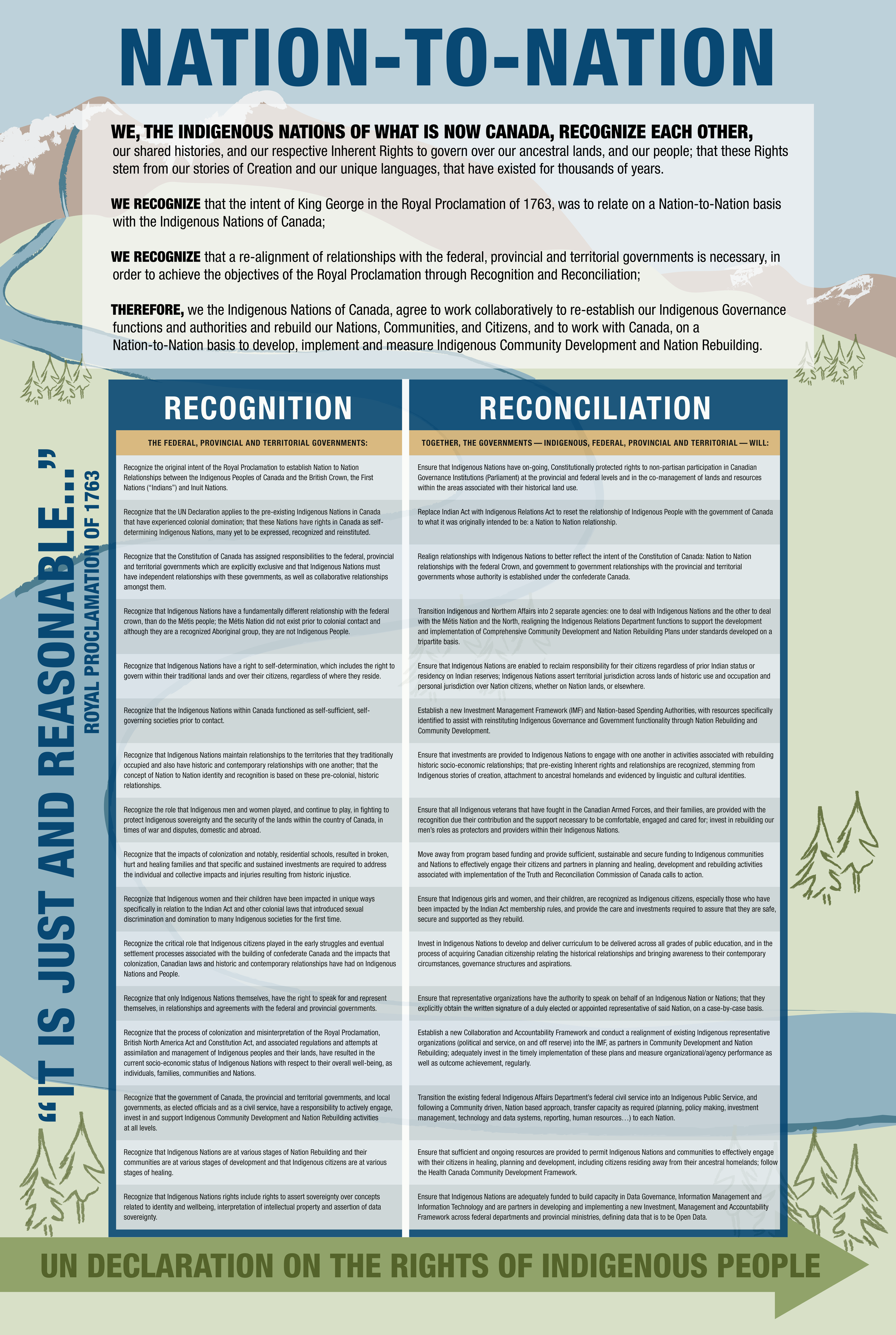
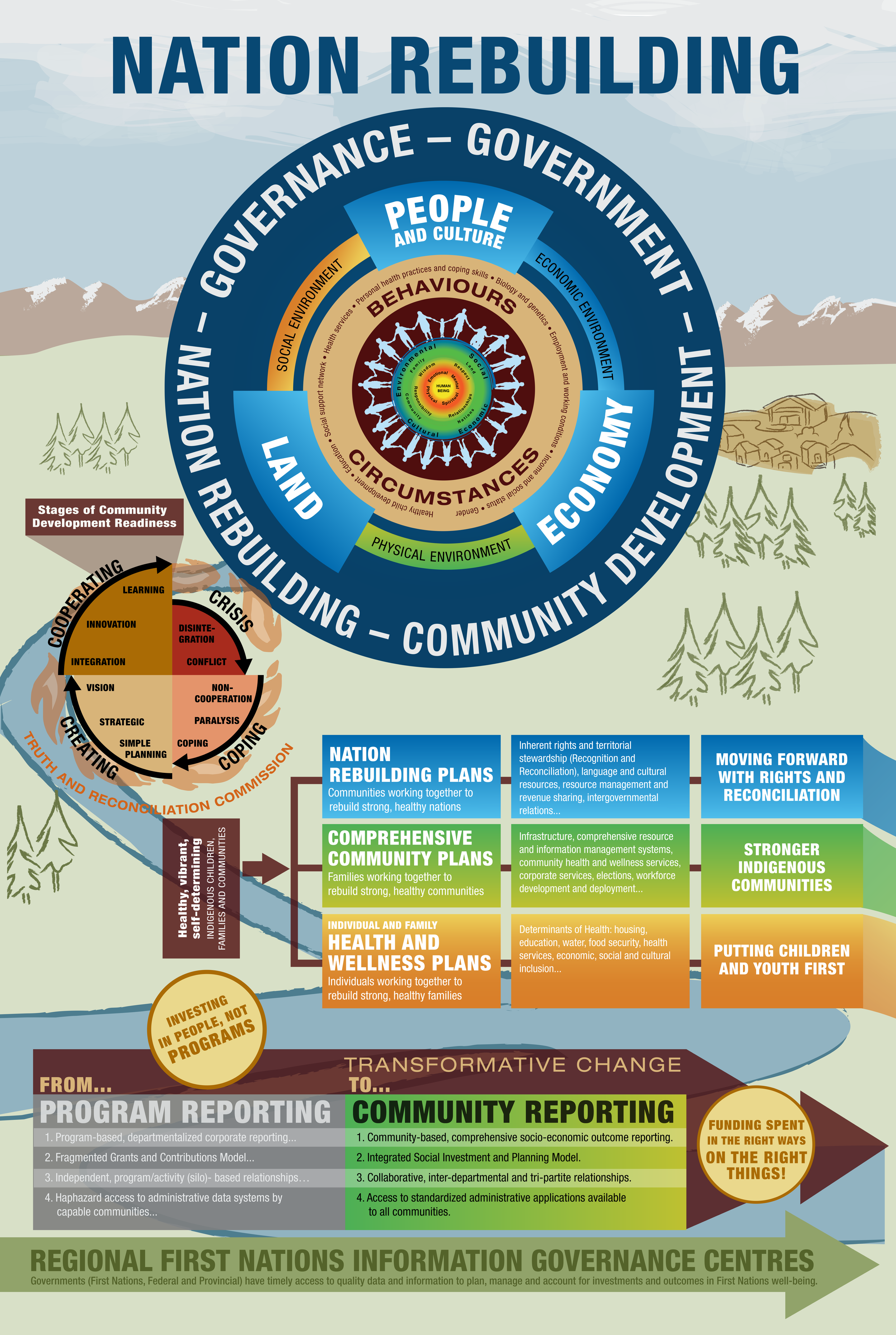
The BCFNDGI offered a different path. Working through demonstration sites across the province, it helped Nations build the technological and human capacity needed to collect, manage, govern, and own their data. The principle was simple, and it remains ours today: when Nations lead their citizens through defining and measuring what matters to them, that is self-determination, and that is self-governance.

From a BC Initiative to a National Strategy
The BCFNDGI was never only about British Columbia. As First Nations across the country turned their attention to data governance, it became clear that what was needed was a national approach, one that could align regional efforts with broader reform across governments, while respecting that there is no single model of First Nations data governance. The BC work helped make the case for exactly that. It fed directly into the national First Nations Data Governance Strategy, which calls for Regional Information Governance Centres across the country.
The BC RIGC carries that BC leadership forward. We build on the BCFNDGI’s foundation: its relationships, the lessons it produced, and its insistence that data belongs in the hands of Nations. We continue the work of making data sovereignty something Nations can practice every day.
Helpful FNDGI Resources
The BCFNDGI produced resources that remain relevant to First Nations advancing data governance today, and we keep them available here.
Community Planning Guide
A guide to support Nations in community-driven, Nation-based planning that connects data to the priorities and outcomes a Nation defines for itself.
Indicator Guide
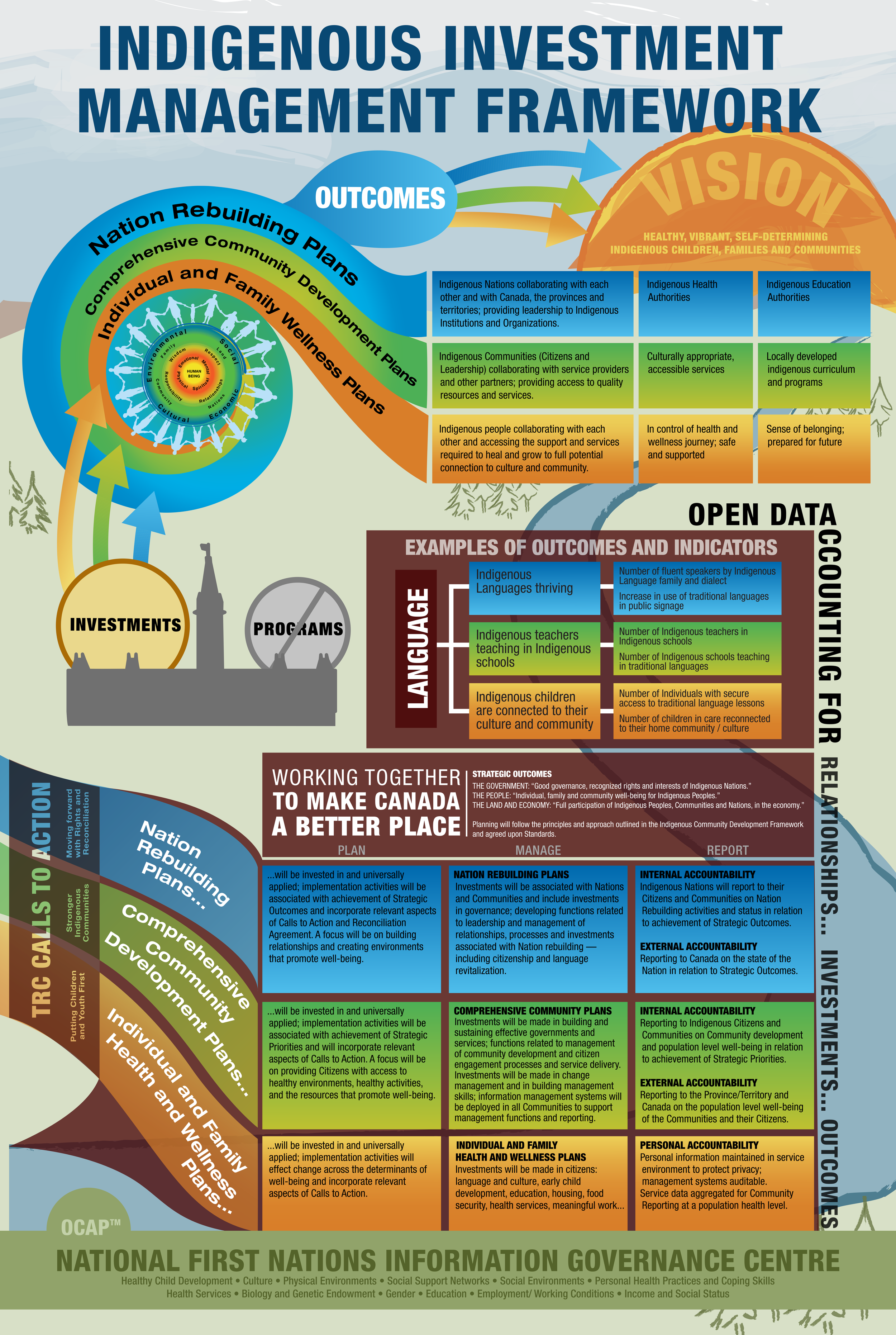
A guide to help Nations choose and use indicators that reflect their own definitions of well-being, rather than measures imposed from outside.
Governance and Oversight
The BC RIGC operates under the guidance of the First Nations Leadership Council – a collaborative political working partnership among the Union of BC Indian Chiefs, BC Assembly of First Nations, and the First Nations Summit. Through this structure, the BC RIGC is accountable to the Chiefs in Assembly.
Implementation of the First Nations Data Governance Strategy (FNDGS) in British Columbia is guided by the FNLC through its role as a member organization of the national First Nations Information Governance Centre (FNIGC).
The BC RIGC also works closely with the FNIGC Board representative for British Columbia, Gwen Phillips, to ensure coordinated vision and leadership between regional and national data governance initiatives.
This governance structure ensures that the BC RIGC remains aligned with First Nations leadership priorities in British Columbia while also contributing to the broader national framework for First Nations data governance. Through this oversight, the BC RIGC operates as an apolitical, technical service organization accountable to First Nations leadership.

Partnerships
Strengthening First Nations data governance requires collaboration across institutions and sectors. The BC RIGC works with First Nations organizations, governments, and selected partners to expand the tools, data, and technical resources available to Nations. These partnerships help expand the resources available to Nations while ensuring that data governance priorities remain Nation-led.
Current partnerships include:

Collaborating on initiatives that connect data governance with strong public administration within First Nations governments.

Exploring opportunities to leverage digital infrastructure, data resources, and emerging technologies in ways that support First Nations data sovereignty.

Working under a Memorandum of Understanding between the First Nations Leadership Council and the Ministry of Citizens’ Services to improve access to provincial data and advance Indigenous data sovereignty considerations in public systems.
Learn More
If your Nation is exploring data governance, the BC RIGC can help. Learn more about our tools, digital infrastructure, and the ways we work alongside First Nations to strengthen governance and decision-making.