

Digital Infrastructure for First Nations Governance.
Strong governance depends on reliable information. Yet the digital infrastructure needed to manage that information has rarely been designed for First Nations governments.

Build Your Own Data Centre
Across British Columbia, many Nations manage critical data across disconnected spreadsheets, external databases, and systems built for reporting rather than governance.
The Build Your Own Data Centre (BYODC) was developed to change that. Created by the BC Regional Information Governance Centre (BC RIGC) in collaboration with First Nations, the BYODC provides Nation-controlled digital infrastructure that supports the core functions of governance and public administration.
Through a secure, OCAP®-aligned web platform, Nations can organize, manage, and apply their data on their own terms.


Why the Platform Exists
Our Infrastructure.
Our Way.
The BYODC was developed through collaboration with First Nations and First Nations organizations working to strengthen data governance across British Columbia.
The platform reflects a simple principle: data sovereignty requires sovereign digital infrastructure. When Nations have access to systems designed for their governance responsibilities, they can organize, protect, and use their data in ways that support Nation rebuilding.
By working at scale, the platform reduces the cost and complexity of accessing modern data systems while ensuring that Nations retain ownership and control of their information.
What the Platform Enables
The BYODC offers modular tools, meaning Nations can choose which ones work for them. The platform is designed specifically for day-to-day governance and administration in First Nations governments and organizations. Each application within the BYODC is designed to support practical governance workflows.
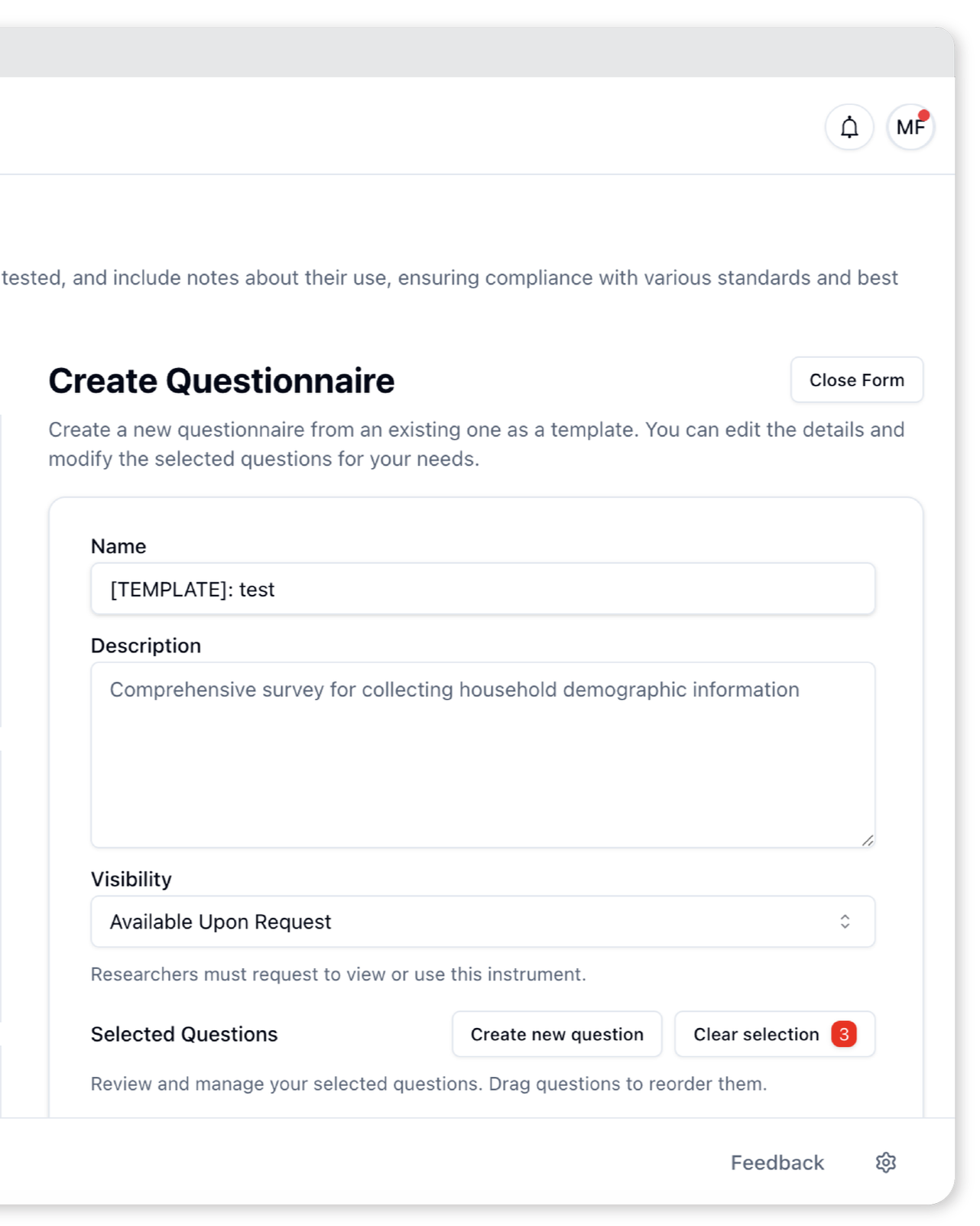
Nation-led Data Collection
Design and conduct community surveys or census projects to gather information directly from citizens and inform governance decisions.
Citizenship & Membership
Maintain secure, Nation-controlled records about citizens that support communication, program administration, and long-term planning.

Secure Data Stewardship
Store and organize governance data within Nation-segmented environments with role-based access and strong security protections.
Population
Projections
Use citizenship data to generate population projections that inform housing, infrastructure, and service planning.
Data Access
Access and use datasets that can support governance and planning.
Data Security and Access Controls
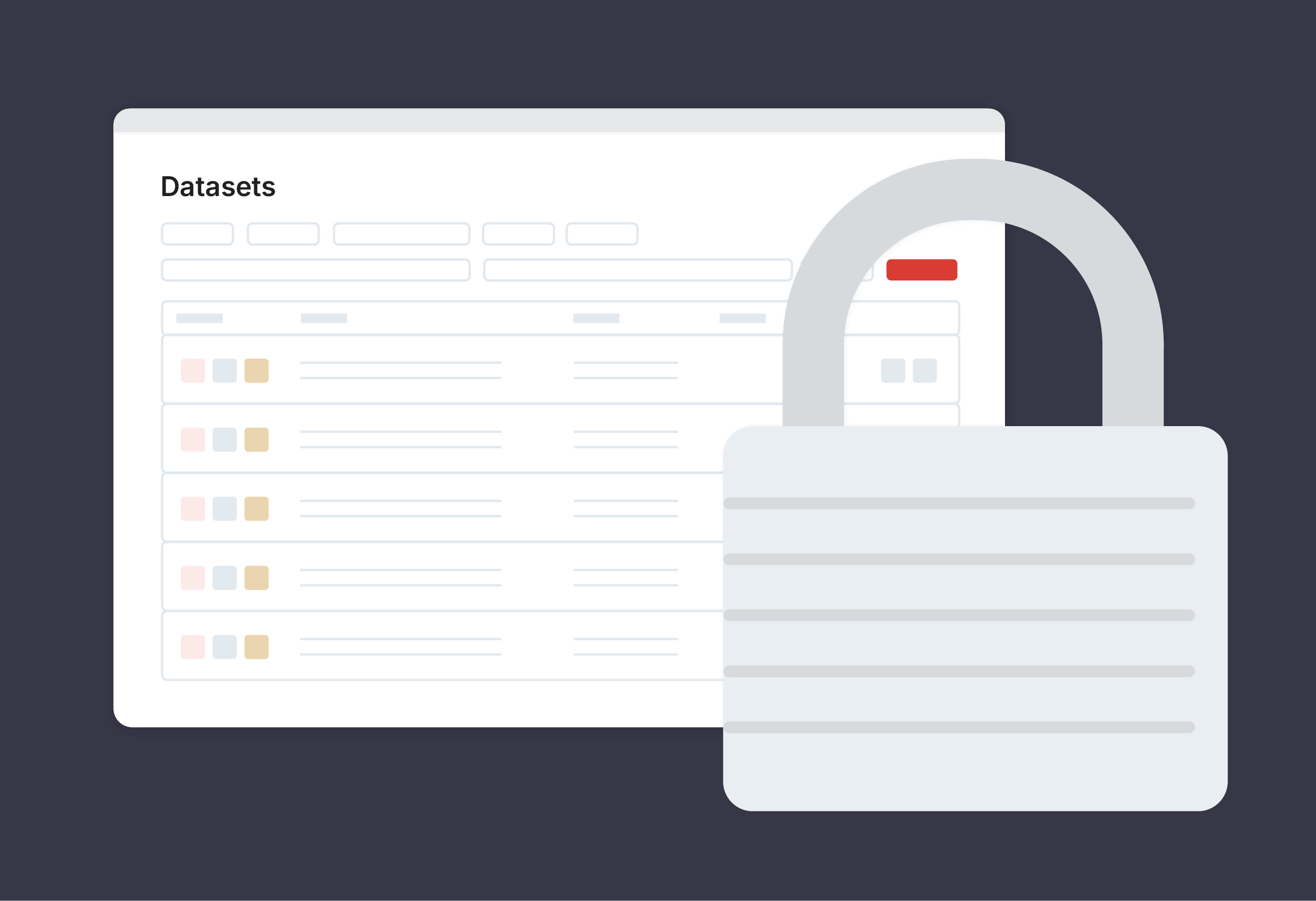
Protecting First Nations data is a core priority.
The platform has been designed to ensure that Nations retain control over their information while benefiting from modern digital security practices. Data are governed according to Nation-defined rules and protected through multiple technical and administrative safeguards.

Key protections include:

Secure digital environments
Continuous security monitoring within infrastructure designed to protect against unauthorized access, loss, or disruption.
Nation-controlled access permissions
Each Nation authorizes who can view, edit, or manage their datasets.
Encryption during storage and transmission
Sensitive data remains secure both while stored and while moving between systems.
Alignment with OCAP® principles
Nations retain authority over how their information is collected, stored, accessed, and used.
By combining strong security practices with Nation-defined governance controls, the BYODC provides a safe environment for managing the information that supports First Nations governance.
Start Where You Are
Nations utilize the BYODC in different ways depending on their priorities.
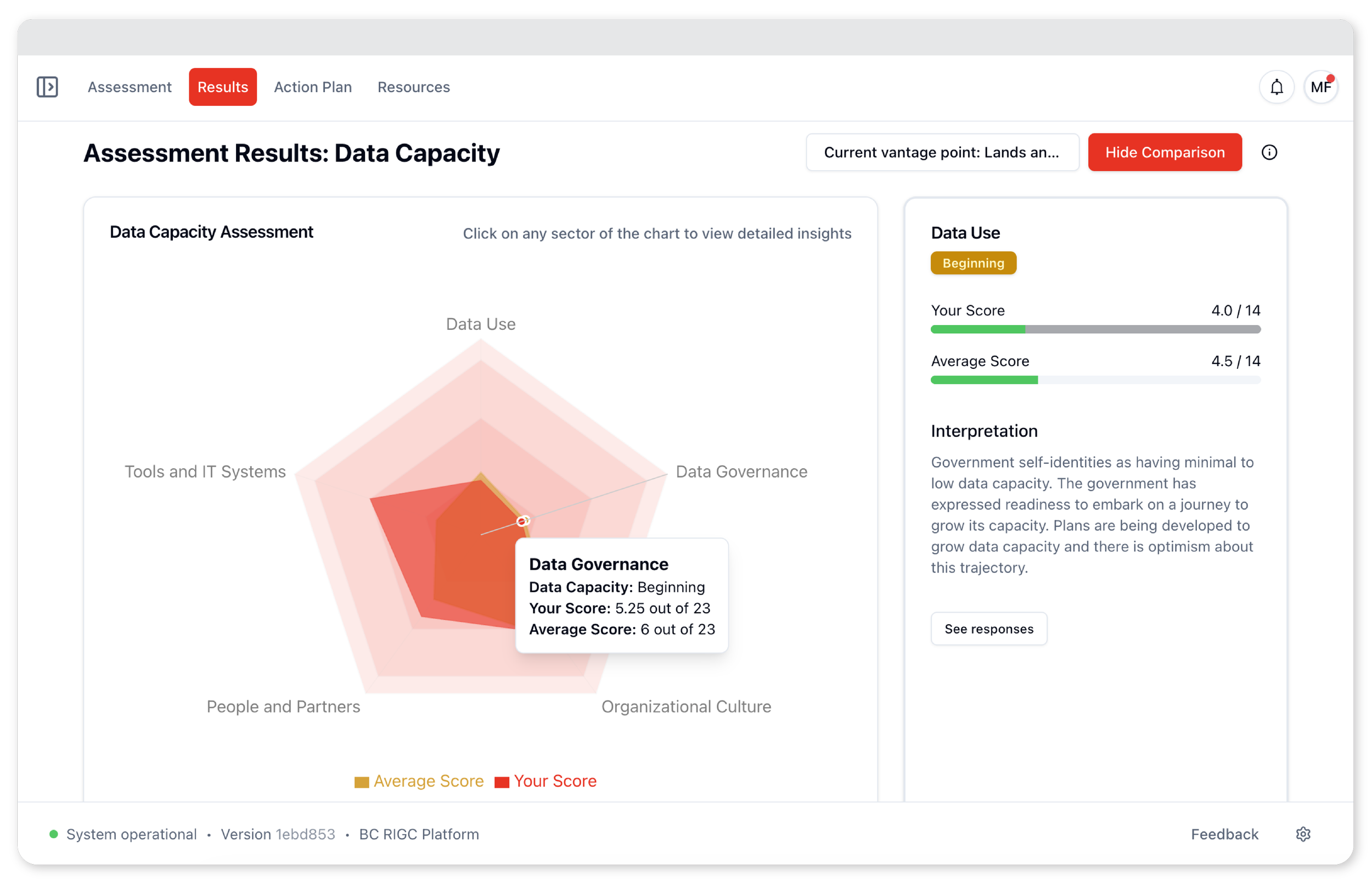
Some use the Data Governance Assessment, which generates a tailored action plan and identifies tools that may support implementation. Some use it to manage their membership list. Others begin with a specific initiative, such as a community survey or census project.
The BC RIGC works alongside Nations to explore how the platform can support their governance priorities.